

Before a restorative consultation, separate how you want your teeth to look from what feels uncomfortable when using them. In the film, Dr Park discusses gums, restoration appearance and the bite together. Ask how those elements relate to your own condition. [1]
Describe appearance and function separately
Identify the tooth, colour or shape that concerns you and what you notice when smiling. Also note awkward chewing or food trapping. Keeping these observations separate can help you prioritise your questions.

Gums, restoration and bite
His remarks describe a perspective that considers appearance alongside function. His profile lists his prosthodontic specialist background and areas of care. Discuss your assessment and the reason for a recommendation before applying a filmed example to yourself. [1] [2]
Organizing Your Current Prosthesis and Previous Experiences
If you already have a prosthesis, please write down, to the best of your recollection, when and why you received the treatment. Include details such as whether it was initially comfortable, and if there have been any recent changes, or if the discomfort only occurs in specific situations. You can still start the consultation even if you don't remember the exact material or treatment name. If you have any previous records, please inquire about how to share them. It is important to share your feelings about previous treatments and the information you have learned during the current examination. Even if you prefer a similar method to the past, you should still be informed of the possible options available in your current condition. In your consultation notes, it is helpful to distinguish between clear memories and assumptions, and to list any recent observations first. You don't need to memorize tooth numbers or technical terms in advance to describe the discomfort.

Dr Park Jihyun explaining with images on a screen
Asking About the Specific Problem Being Addressed
During a dental consultation, after hearing the name of the procedure, ask the dentist why they recommend it. You can tailor your questions to your specific situation, such as: "Is the goal to restore the tooth's shape and function, or to protect a weakened area? Are there other issues that need to be addressed?" The ADA's guide to crowns explains that crowns are used to cover and restore the shape and function of a tooth, or to protect it. However, even with the same name, the questions you ask will depend on the specific area of the tooth being treated and the condition of the remaining tooth. Organize your consultation by first understanding the reasons for the procedure, then looking at the materials and the manufacturing process. If multiple options are presented, you can compare them to see if they address the same goals or if they cover different areas. [3]
Observations That Help Describe Discomfort
When describing discomfort while chewing, it's important to specify when and under what circumstances you experience it. You can note details observed in your daily life, such as whether it occurs while eating, when you lightly close your teeth, or when you only chew on a specific area. If the sensation is unclear, explain the range of awareness and ask the medical professional for clarification. Describing the feeling of discomfort and identifying its cause are different things. Even if you have read information about occlusion or materials, you don't necessarily need to assume that your current discomfort is due to the same reason. It's important to connect your observations with the examination results to receive an explanation. For situations that are difficult to express with photos, it's helpful to prepare a brief description of the circumstances. Also, keep track of the date and the flow of changes so that you can refer to them in future consultations.
Compare the Conditions, Not Just Material Names
When hearing about materials, it is easy to compare lists of advantages. Alongside the reason for a recommendation, ask what care is needed and how the process differs from other options. You can also discuss how tooth position, function, surrounding tissues and your preferred appearance influence the choice. Rather than seeking a material described as best in every situation, understand which factors matter in your circumstances. Put questions about appearance, discomfort during use, cost and scheduling on one list. Do not assume that identical treatment names cover the same scope. Ask for explanations that allow you to compare the information on equivalent terms.
Understanding the Flow of Treatment and Fabrication
When the fabrication process is discussed in a dental consultation, ask when you will need to check each aspect. Each stage – confirming the condition, gathering information for fabrication, and inspecting the finished prosthesis – may require different questions. The Seoul Yido Dental Office brand film includes examples of work performed in both the in-house dental lab and by chief dental technician Kim Byunghee, allowing you to see the scenes in context. While not all of the processes shown in the video will directly apply to your treatment, they can be used as a reference when considering what questions to ask during your consultation. Ask about the best time to communicate your desired color and shape, and how to best describe any previous sensations you have experienced. This approach connects your interest in understanding the fabrication process with your overall understanding of your treatment. [1]
Verify the Estimated Schedule and Adjustable Details
During the consultation, it's important to understand not only the number of visits but also the purpose of each visit. Ask for an explanation of what will be checked and how the process will progress to the next stage. If you have travel plans, business trips, or other important commitments, inform the clinic in advance so that they can incorporate it into your treatment plan. If your schedule is subject to change, find out when you will be contacted again and how to make changes to your appointment. Do not assume that the length of the video or the fact that the work is done on-site can be linked to the treatment duration. The actual process of creating and verifying should be explained based on your individual condition and plan. Divide your calendar into confirmed appointments and items that still need to be discussed, and note any preparations you need to make before your next visit.
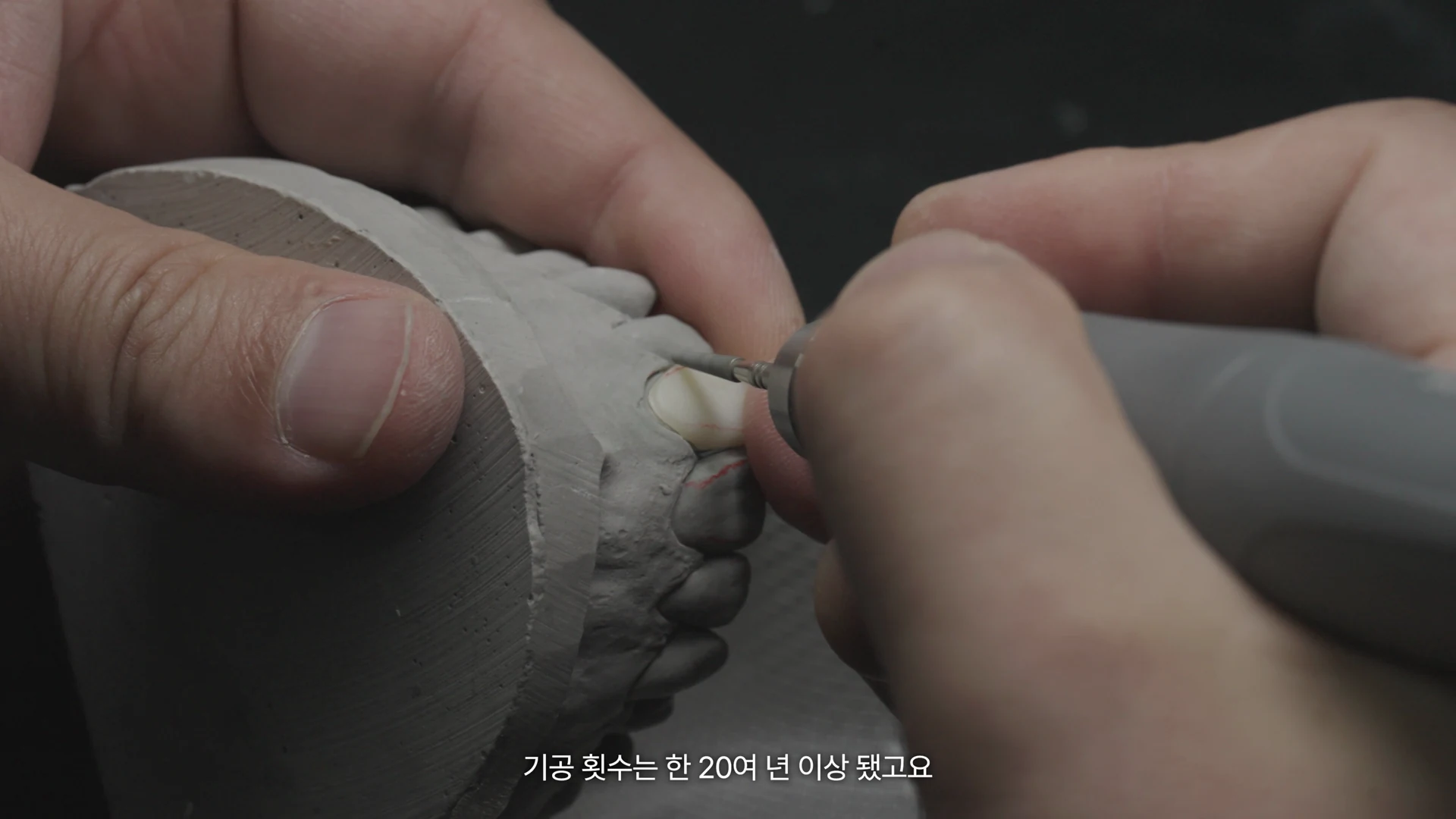
Hands, tools and the piece being made: a close view of laboratory work.
02:58Understanding the Cleaning Process After Treatment: A Practical Guide
When learning about the proper care for your dental restoration, remember to familiarize yourself with the names of the tools and the specific areas they are used on. Ask questions about how to clean between teeth and around the restoration, and how to address any tasks that you find difficult. Instead of assuming that you are adequately caring for your restoration simply because you have purchased new tools, it is best to verify that you are actually reaching all the necessary areas. After trying the recommended cleaning method at home, you can note any difficulties you encounter and discuss them during your next appointment. Also, keep a record of the best time to check your restoration's condition and how to contact your dentist if you notice anything different. Knowing about the care process beforehand can help you determine if you can realistically maintain your restoration and follow the recommended plan.
Notes to Add to the Comparison Table After Consultation
In your notes, include the following items: the confirmed status, treatment goals, proposed options, materials and manufacturing process, schedule and cost, and post-treatment care. Divide the information you received about each item into what you understood and what you still need clarification on. While you may have clear expectations regarding the appearance, if you didn't understand the process, you can ask for clarification. The most important aspect is the comfort of use; if you haven't heard about the relevant details, you can make it the first question in your next consultation. Focus on organizing the information that connects to your examination results, rather than collecting multiple explanations from the internet. The perspective of seeing the appearance and function together, as mentioned by Park Jihyun, can be a starting point for this comparison, and the final decision should be made based on the explanation of your current condition.
Q. What should I ask when comparing restorative materials?
Ask how the proposed material differs from alternatives, why it is recommended, how fabrication works and what the cost includes. The article and film do not recommend one material for everyone.
Q. What should I clarify after fabrication?
Discuss appearance and feel, everyday care, review arrangements and who to contact if something is uncomfortable. The laboratory feature shows Kim’s actual work and interview. [1]
Photography · Seoul Yido Dental Office
References and sources
- Seoul Yido Dental Clinic · Brand film · Doctor interviews and key remarks (opens a new tab)
The clinic’s brand film, featuring clinician and laboratory lead interviews and scenes inside Seoul Yido.
- Seoul Yido Dental Clinic · Official website · Doctors and care information (opens a new tab)
Clinician biographies, areas of practice, location and booking information.
- American Dental Association · Crowns (opens a new tab)
An introduction to crowns used to cover teeth, restore their shape or protect weakened teeth.