
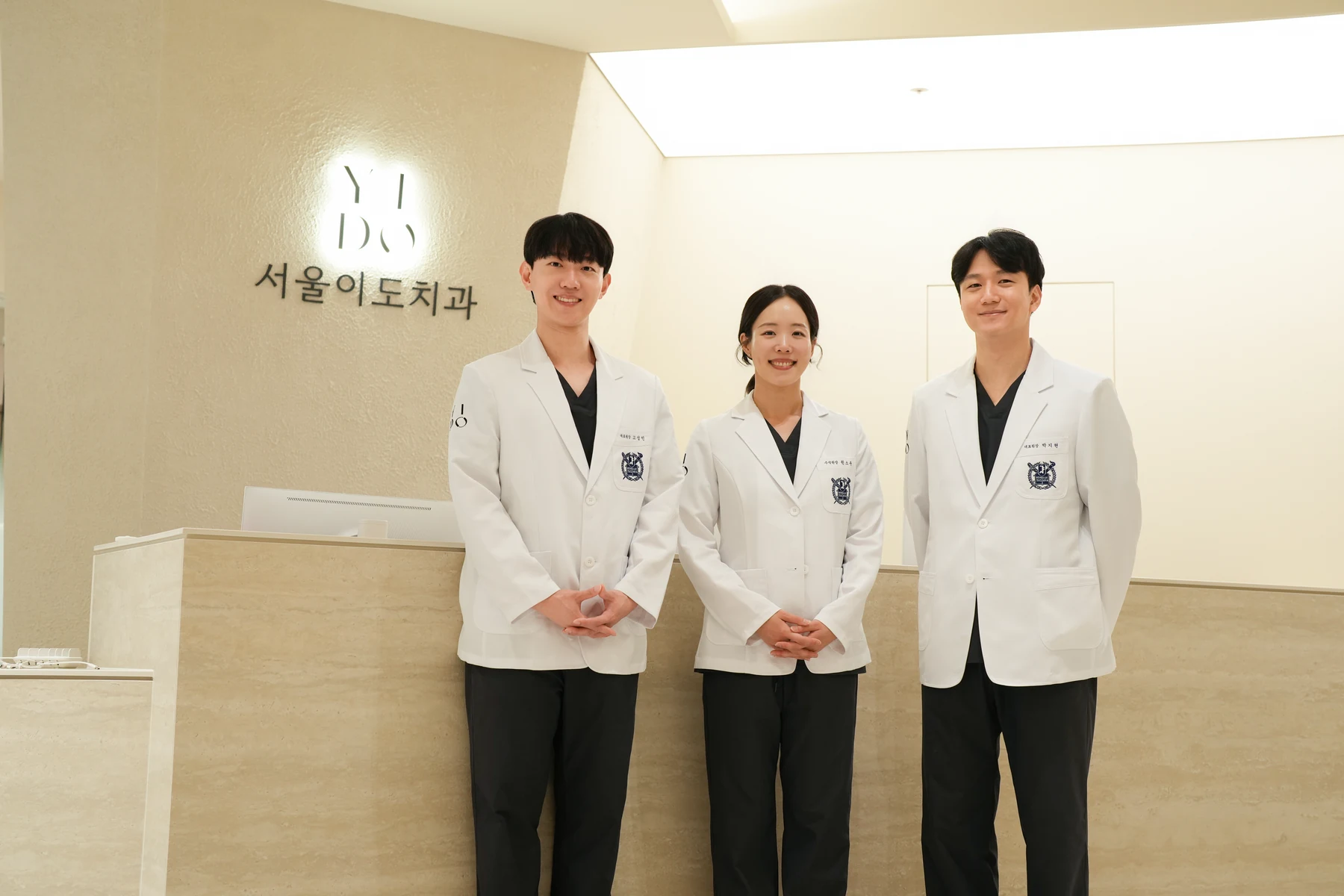
The clinic describes the right path as care in which patients can understand their condition, hear why treatment is proposed and express their preferences. Its brand guide sets out three values: fundamentals, care and empathy. [1]
Fundamentals: understanding the assessment
The brand’s commitment to fundamentals starts with assessing the current condition and explaining the reason for care. A useful first question is what was found and which examination or observations support that assessment. [1]
Care: the people behind the work
In the film, Dr Ko discusses attention to each patient, Dr Park considers gums alongside the appearance and function of restorations, and Dr Won focuses on details. Laboratory manager Kim describes working as though the restoration were for his own mouth. These are their recorded perspectives. [2]
Empathy: making room for your concerns
Concerns may involve pain, chewing, appearance or time available for appointments. Writing these down gives the consultation a clear starting point. The brand describes empathy as listening to the patient’s experience and everyday life. [1]
Translating the Direction Implied by the Name into Clinical Language
The name "Seoul Yido Dental Office" is concise, but the process by which a patient confirms its meaning involves several stages. These include the initial appointment where the patient expresses their concerns, the explanation of test results, and the comparison of different options. When reading Seoul Yido Dental Office's brand materials, one can consider the questions that might arise in each of these stages: basic information, personalized care, and empathy. Instead of simply memorizing the meaning of the name, it's more effective to specifically write down what information the patient needs. The information required for a first-time visitor may differ from that needed by a patient who has received previous treatment, and even when discussing the same treatment, the most concerning aspects may vary. This article introduces the direction that Seoul Yido Dental Office aims for, while also providing readers with a framework for understanding their own clinical care. [1]
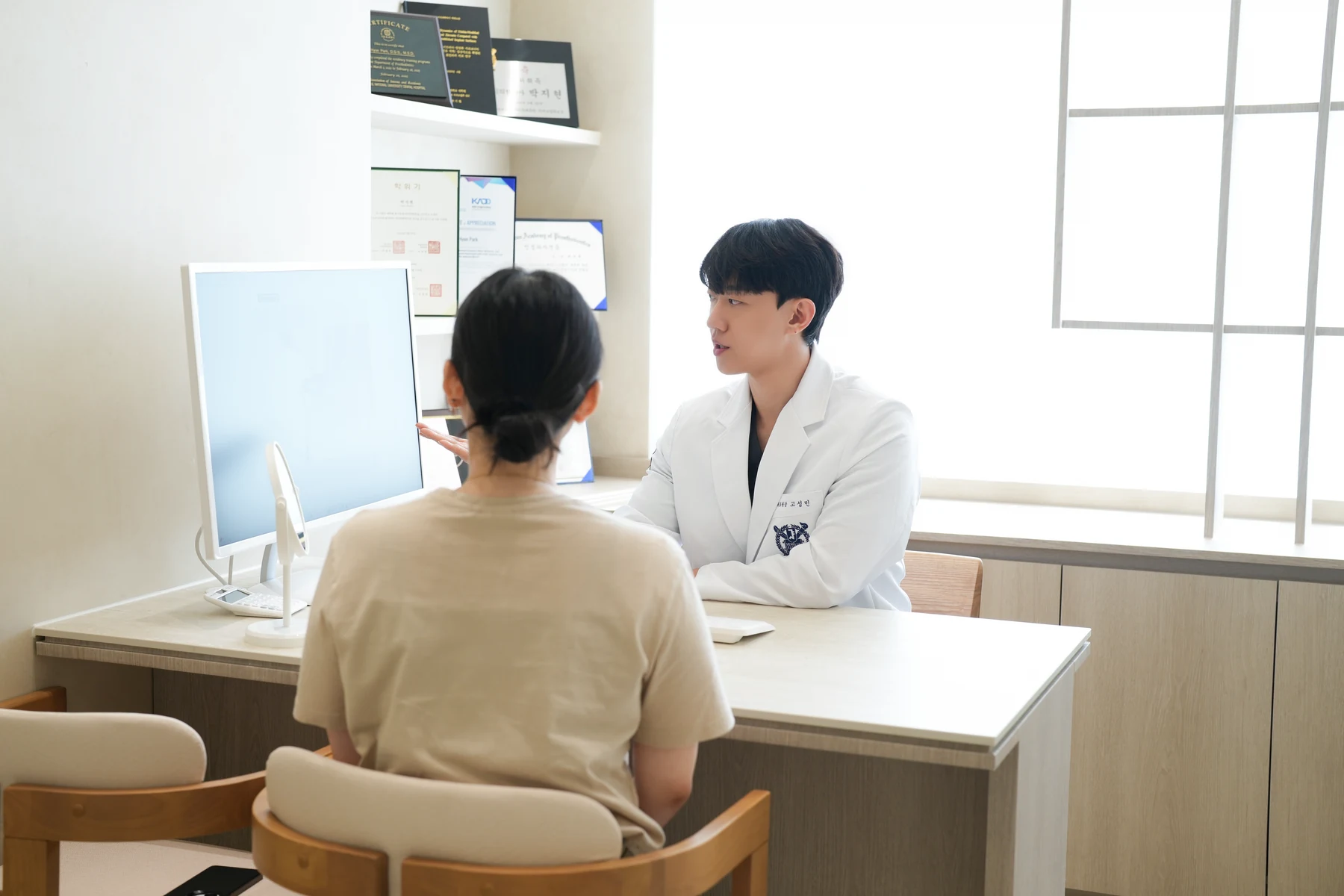
Dr Ko Sungmin listening in the consultation room
Begin by Asking About Your Current Condition
Instead of immediately asking for the name of the treatment, start by asking about your current condition. You can then ask for clarification on specific areas, such as whether your experience of discomfort aligns with the findings of the examination, or if there are other areas that need to be investigated. If there are images or photos, refer to them while asking questions. For example, you could say, "I thought the pain was here, but is this area different?" This helps the patient understand the explanation. It can be difficult to compare different options before a thorough understanding of the condition is established. If we rephrase the idea of "establishing a baseline" from the perspective of the patient, we can start by clarifying what the patient already knows and what needs to be further investigated. This is not about telling the patient to self-diagnose, but rather about clearly establishing the starting point for the explanation.
Compassion is also evident in understanding different roles
The brand film includes not only the perspectives of medical staff, but also those of individuals working in the dental laboratory. The focus of Ko Sungmin, the aesthetics and functionality of Park Jihyun, the attention to detail of Won Soyun, and the work ethic of Kim Byunghee, the chief dental technician, are not simply repetitive interviews. Each person highlights the aspects they consider important in their respective roles. Patients can use this understanding to ask themselves what explanations and confirmations are needed in their own treatment process. This involves distinguishing between the information observed in the examination room and the information verified during the production process, and asking when to express their desired outcome or any discomfort they may be experiencing. By reading the scenes together, patients can see the hospital not just as a collection of individual photos, but as a process that they need to understand. [2]
The information needed for understanding is found in everyday life
For patients, it's not enough to simply understand the terms used in the test results. There are also aspects related to their daily lives and experiences, such as when they can visit, what language they would prefer to receive explanations in, and what difficulties they experienced in previous consultations. When preparing for a consultation, it's important to include these details, even if they seem unrelated to the treatment. First, identify the two or three most important points, and then discuss them during the planning process. Another way to do this is to distinguish between the desired changes and the conditions that are difficult to adjust. For example, while the appointment schedule can be adjusted, if understanding the explanation requires a specific language, it's important to communicate that upfront. While it's important to confirm with the hospital what assistance is available and individual treatment plans, you can start expressing your specific needs before the visit.
Understand the Options Alongside the Recommendation
When seeking recommendations from healthcare professionals, it's important to not only ask for their suggestions but also to understand the reasoning behind them. Instead of simply recording that you received a recommendation, listen to their explanation of how the method addresses specific problems and what factors they considered when comparing it to other options. NICE's guidance on shared decision-making covers the process of considering both medical information and the individual's goals and preferences. This doesn't mean you have to make all decisions alone or that you need to have all the information memorized beforehand. Instead, it involves listening to explanations and then confirming the relevant information to make a decision that aligns with your own priorities. If you still have questions or uncertainties, you can clarify them and continue the discussion. Furthermore, the brand's stance of supporting patients can also encourage readers to reflect on their own questions and choices and consider what explanations they might need. [3]
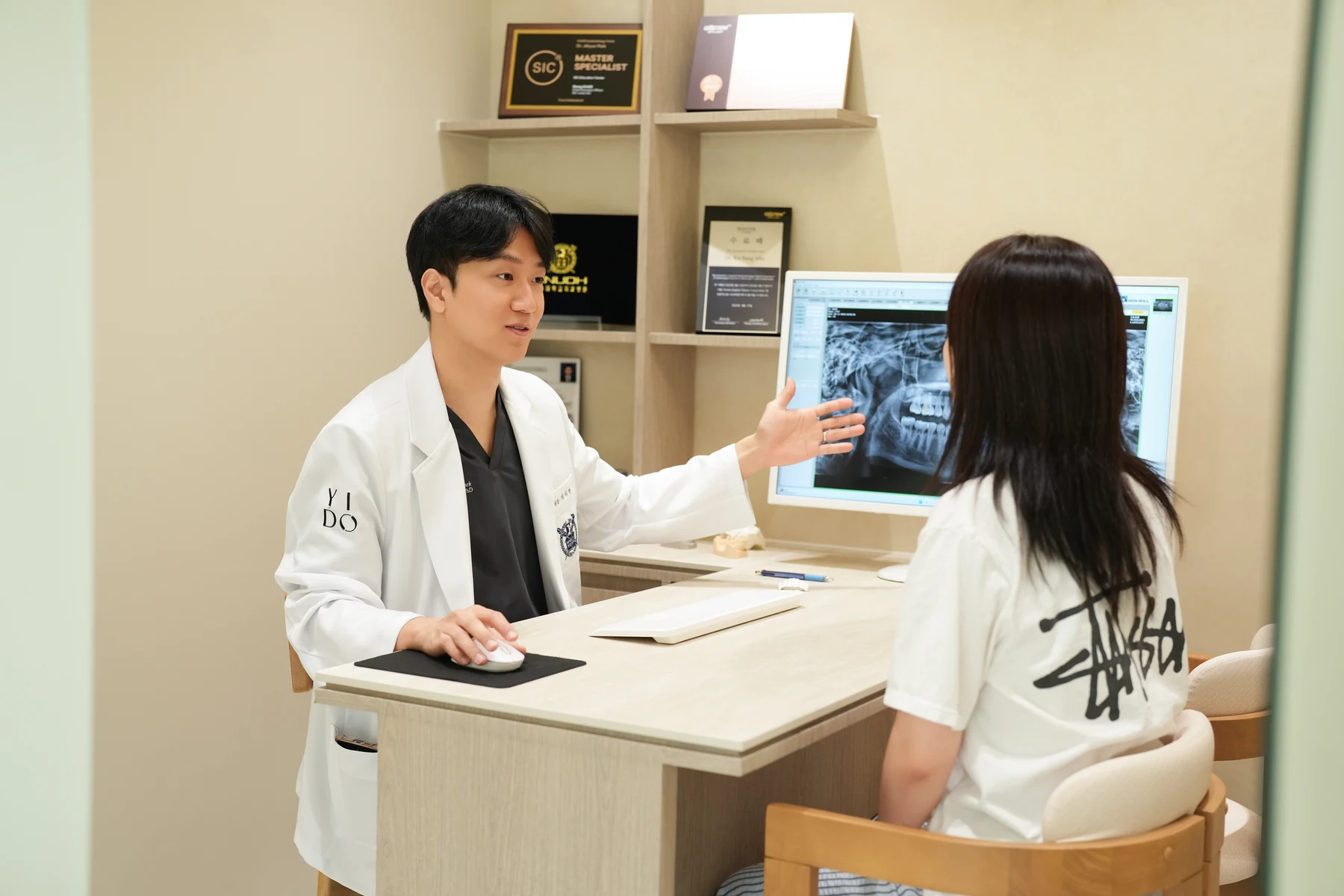
Dr Park Jihyun explaining with images on a screen
Reading Hospital Information and Public Health Resources Together
This website features information provided by the hospital alongside resources from public health organizations. You can find the hospital's brand guidelines, which include its name and core values, as well as interview excerpts that reflect the speaker's actual thoughts. You can also find general oral health information in the health guide. Because the types of information vary, the information you can access will also differ. To better understand the origin of the text you are reading, be sure to check the source name and original link at the end of the article. Also, check the date. The introduction and current appointment schedule may be different depending on when the video was filmed. Instead of assuming that one resource answers all your questions, it is best to read the information according to its specific role: the speaker's thoughts, general health information, and your own examination results. This method helps you find the specific information you need, rather than accumulating more resources.
Short Notes to Prepare Before Your First Visit
You don't need to write lengthy notes. Simply jot down the most pressing concerns, desired changes, and biggest worries in a single sentence each. You can prepare a separate list for information about previous treatments and current medications. After the consultation, review the initial notes to see if you have answers to your questions. Separate the questions you have found answers to from those you still need to investigate, and keep the information about scheduling and care together. You don't need to guess at and complete the notes if you don't fully understand the information. Leaving blanks allows you to ask clarifying questions and provides a more accurate reflection of your understanding. One way to prepare for your first visit is to read about Seoul Yido Dental Office's philosophy and then write down what kind of conversation you would like to have with the dental team as a patient.
Looking Beyond the First Impression: Examining the Ongoing Experience
When choosing a hospital, the initial image and wording can leave a lasting impression. Consider what other information you need to verify after that initial impression. This might include things like whether you can easily find the necessary information again, where to direct any remaining questions after your appointment, and whether you understand the purpose of your next visit. Expectations formed before your visit can also change after the consultation, and this change itself can become the topic of future conversations. Instead of expecting the same experience as others, focus on what explanations and confirmations you needed in your own situation. The name "Right Path" is not just about understanding a single sentence. It can be transformed into your own questions and used to connect with the explanations you received during your actual consultation.
Q. How can I explore these values in a consultation?
Ask what the current problem is, how the available options differ and what care is needed afterwards. Explain which points you would like clarified and what worries you most.
Q. How do brand materials differ from clinical information?
The guide and interviews explain the clinic’s aims and the team’s views. The treatment and likely course for an individual need to be discussed after that person’s assessment.
Photography · Seoul Yido Dental Office
References and sources
- Seoul Yido Dental Office · Supplied brand guide and brand story (opens a new tab)
The clinic’s name, values and philosophy, as described in its brand guide.
- Seoul Yido Dental Clinic · Brand film · Doctor interviews and key remarks (opens a new tab)
The clinic’s brand film, featuring clinician and laboratory lead interviews and scenes inside Seoul Yido.
- NICE, United Kingdom · Shared decision making (NG197) (opens a new tab)
Guidance on discussing preferences, benefits and burdens of options, and checking understanding in shared decision making.