
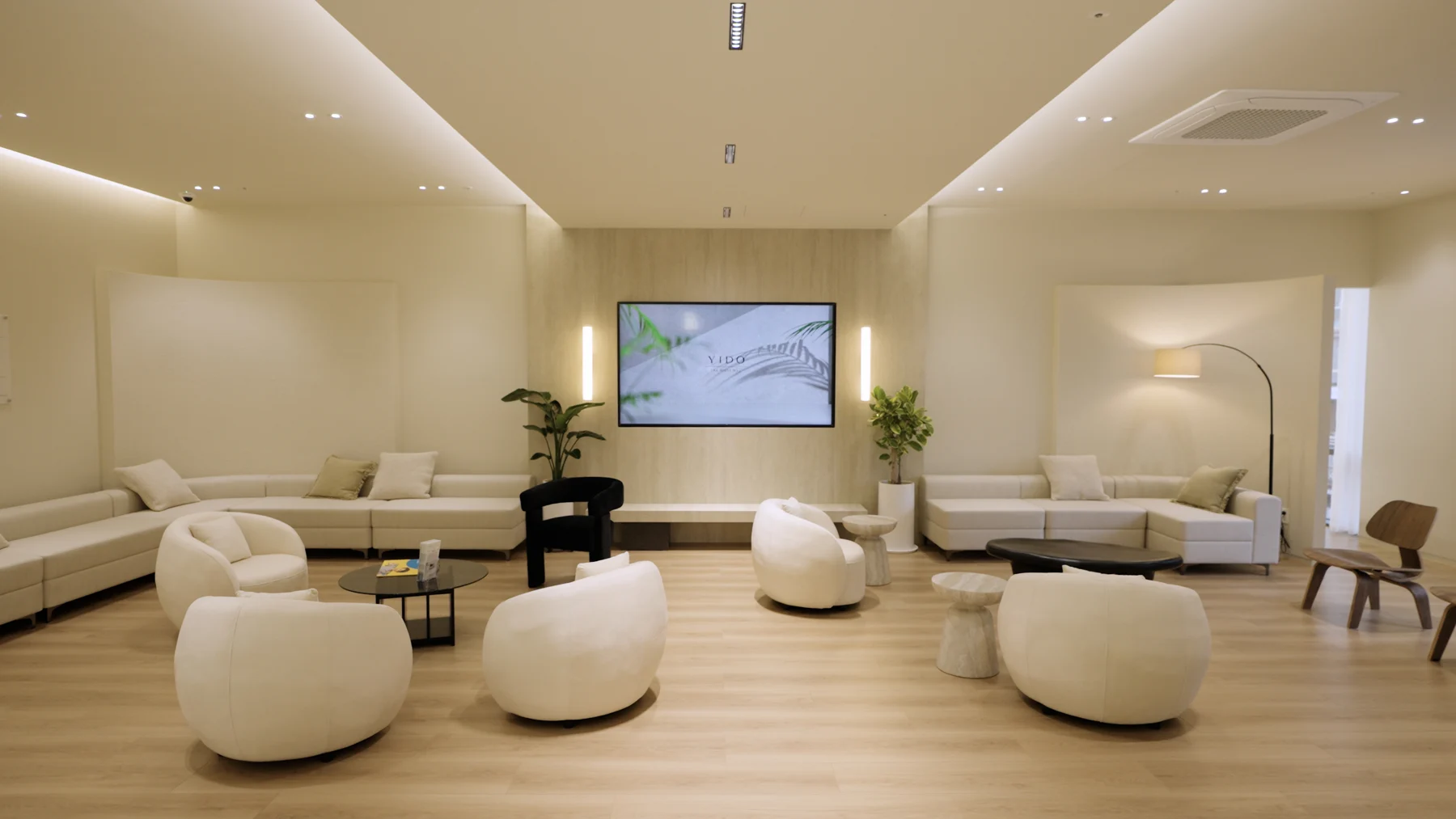
A clinic’s space can be considered both through its photographs and through what you need during a visit. The brand materials and film show cream walls, wood tones, warm light and clinicians explaining things while facing patients. [1] [2]
Materials, colour and a first impression
Black, warm orange and beige form the brand palette. Photographs show how walls, furniture and lighting sit together. Looking at actual images before arriving can help make an unfamiliar place feel more recognisable. [1]
What the consultation scenes show
The film includes conversations across a table and explanations using models or screens. Think about how you understand information best: seeing the location on a diagram, for example, or hearing the options one at a time. You can bring that preference to the consultation. [2]
Light and furniture around the waiting area.
Enhance Your Visit by Considering Your Personal Circumstances
When viewing photos of a space, remember to also consider your own personal circumstances. Think about whether you're visiting alone or with someone, whether finding your way to a new location is a concern, and whether you need to prepare to take notes during an explanation. It's helpful to separate what you can see in the photos from the specific requirements you need to confirm when making a reservation. Just because a space looks bright and comfortable in a photo doesn't necessarily mean that all the necessary support is available. Conversely, don't assume that a space is difficult to visit simply based on a photo. The next step is to organize the important factors for you and inquire with the facility. By connecting the time you spend researching a space with the time you prepare for a visit, you can make the most of your experience.
Beyond Light and Materials: A Space for Dialogue
The photographs from Seoul Yido Dental Office feature warm-toned spaces and scenes of medical staff explaining things to patients. Even in the same location, the experience of waiting, having a conversation, or receiving treatment can vary. When viewing these photos, pay attention to the specific conversations and interactions taking place. The composition of the patient sitting across from the staff, the shared view on the screen, and the addition of explanations with their hands all evoke different questions. I might consider whether I prefer to listen to explanations while looking at someone's face, or whether it's easier for me to understand if I first check the location on the screen. By articulating these preferences, I can make my request for the explanation style more specific during the actual consultation. This involves connecting the observed scenes with my own understanding. [2]
Breaking Down Anxiety into Smaller Parts
When visiting the dentist, it can be difficult to explain your anxiety all at once. Instead, start by writing down the specific reasons you're feeling anxious. Are you worried about the sound of the drill, not knowing what the dentist will do next, or the feeling of having your mouth open for a long time? If you had a difficult experience during a previous visit, try to recall the details and share them with the dental staff. The ADA's patient guide also provides information on how to communicate your anxiety to the dental team during the appointment, as well as signals you can use if you need a break during treatment. Remember that preparing for your visit doesn't just mean trying to suppress your anxiety. It also involves thinking about when you might need help, and how you'll communicate that need to the dentist. To get a better understanding of the level of support you'll receive, please discuss this with your dentist during your consultation. [3]
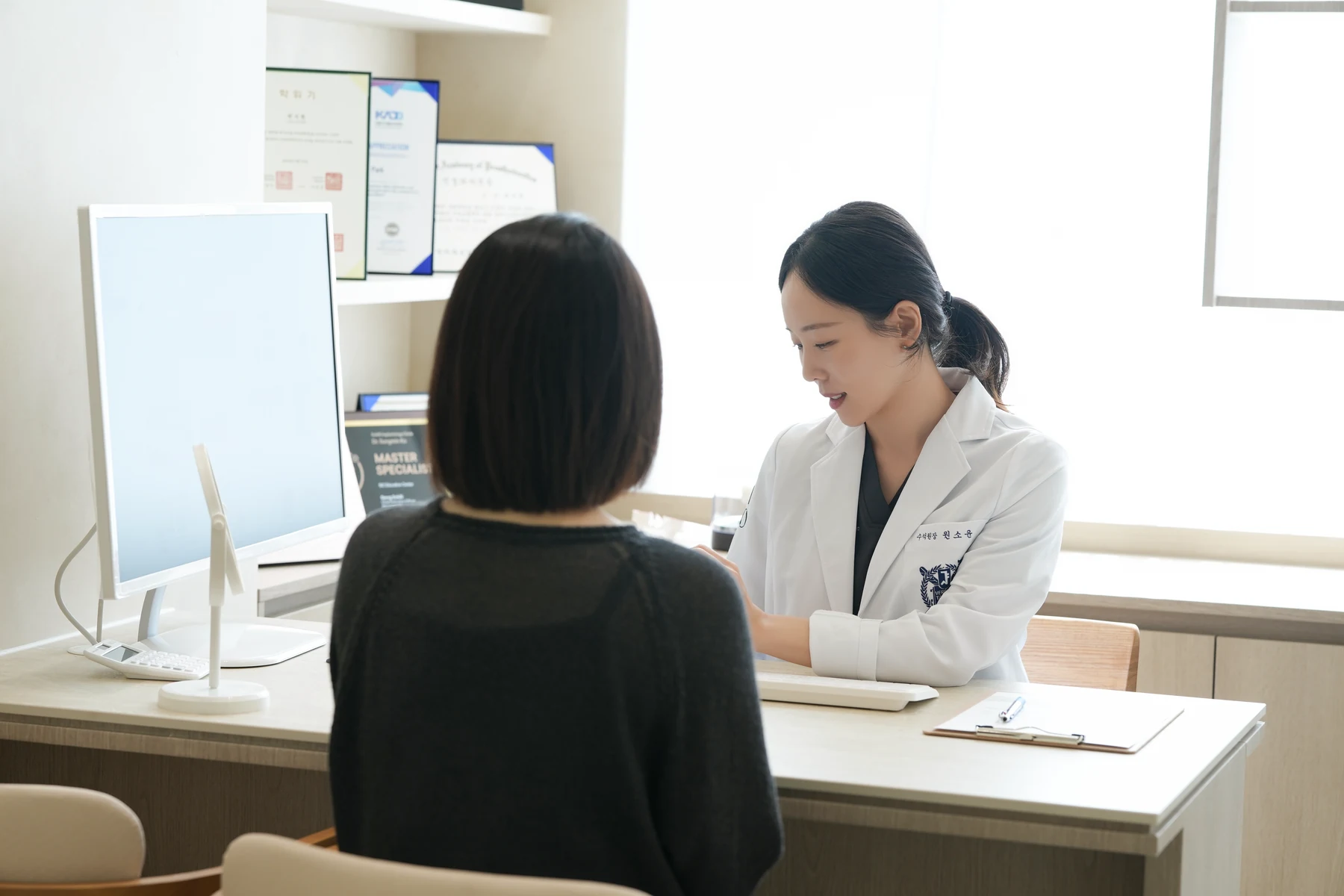
Dr Won Soyun reviewing information during a consultation
Information to Check Before Arrival
Even if you think you know the location, it may take time to reconfirm the building's entrance and floor upon your first visit. Please check the address and appointment time provided in the visitor information, and make a list of any questions you have before departing. If you need assistance with transportation, please specify the details and inquire about available options. It is best not to estimate access or movement conditions based solely on the images. If you have an appointment immediately following your visit, please inform us during the booking process. However, please do not assume that the scheduled appointment time and the actual required treatment time are the same. Instead, determine how much time you should prepare based on your purpose for visiting. By minimizing uncertainties regarding location and time, you can easily remember everything you need to discuss on the day of your visit.
How to Organize Your Questions While Waiting
When you have a waiting period, you might find yourself looking up more information on your phone. If you already have a list of questions, instead of constantly adding new ones, prioritize the most important information you want to learn during this visit. Write down your current concerns and desired changes in a single sentence, and you can also note down any information that needs to be verified, such as the name of the medication or the date of your previous treatment. If you've brought along relevant materials, make a note of which sections you found most interesting and wanted to refer back to. It's often better to focus on the specific questions related to your own situation rather than requesting a general evaluation of the materials. You don't need to try to find all the answers yourself, even if you encounter unfamiliar terms. Keeping unanswered questions on your list is itself part of preparing for the consultation.
If Visiting with Others
If you are visiting with family or friends, first discuss what kind of assistance you would like to receive. You can determine whether you need help with directions, confirming your schedule, or if you would like someone to listen and help you remember the information. It's important to distinguish between having someone represent your thoughts and having someone add to what you want to say. If you prefer to discuss sensitive topics privately, you can inform the medical staff. To find out what support methods and the extent of assistance available in the clinic, please inquire with the hospital. Even if you are visiting alone, you can use notes and provided materials to organize the information. The most important thing is to understand the information and know what kind of assistance you need to express your thoughts, rather than focusing on who you are with.
Things to Take Away After Your Consultation
After your consultation, it's important to focus on what you learned and how it relates to your current situation, rather than just the overall atmosphere of the space. Write down a summary of your current condition, the recommended next steps, and any instructions for what to do at home. If you received any materials from the clinic, keep them organized with your notes. If you have any questions or points that you didn't fully understand, make a note of them to revisit later. It's also helpful to think about how you might feel when you get home. You might have questions or concerns that you didn't think of during the consultation. Knowing how to contact the clinic and having the necessary information on hand will be helpful. You can also compare your initial concerns with what you've learned after the consultation to see what has been resolved and what still needs to be discussed. This will help you prepare for your next visit without having to start from scratch.

Dr Won Soyun explaining beside the dental chair
Defining Your Own Standards of Comfort
What one person finds comfortable may not be the same for another. As you evaluate a space, identify two or three key criteria that are important to you. You might consider whether you prefer to hear explanations slowly, whether you want to learn about the next steps first, or whether you need to confirm information in a specific language. Share your prepared criteria with the advisor and see what kind of assistance you can receive. By looking at the beauty of the space and the necessary information for treatment together, you can move towards a more concrete visit plan. The "Seoul Yido Dental Office" space story can also serve as a starting point for preparing to discuss what you want to talk about, rather than just looking at the photos for a long time. Organizing the experience you need in language is the first step.
Q. Can I mention dental anxiety before visiting?
Describe the situations that make you anxious, such as sounds, pain, an earlier experience or difficulty understanding an explanation. Mentioning them when booking gives you a starting point for the consultation. Confirm whether any requested support can be arranged.
Q. Can photographs confirm everything I need for a visit?
Photos show the space and recorded scenes. Confirm practical needs such as a companion, help getting around or a preferred consultation language before booking. The visit page provides location and contact details.
Photography · Seoul Yido Dental Office
References and sources
- Seoul Yido Dental Office · Supplied brand guide and brand story (opens a new tab)
The clinic’s name, values and philosophy, as described in its brand guide.
- Seoul Yido Dental Clinic · Brand film · Doctor interviews and key remarks (opens a new tab)
The clinic’s brand film, featuring clinician and laboratory lead interviews and scenes inside Seoul Yido.
- American Dental Association · Anxiety (opens a new tab)
Patient guidance on discussing dental anxiety and agreeing on a signal to request a break.